General Contractor: Your Ideal Expert for Home Improvements
A general contractor fulfills an crucial role in residential construction. They manage different elements of construction, guaranteeing that all operations proceed without issues. Their knowledge in construction regulations and standards allows them to navigate the intricacies of permits and assessments. This expert serves as a vital link between homeowners and specialized tradespeople. However, many homeowners remain uncertain about the complete range of their services. Understanding these details can significantly impact the success of any renovation project.
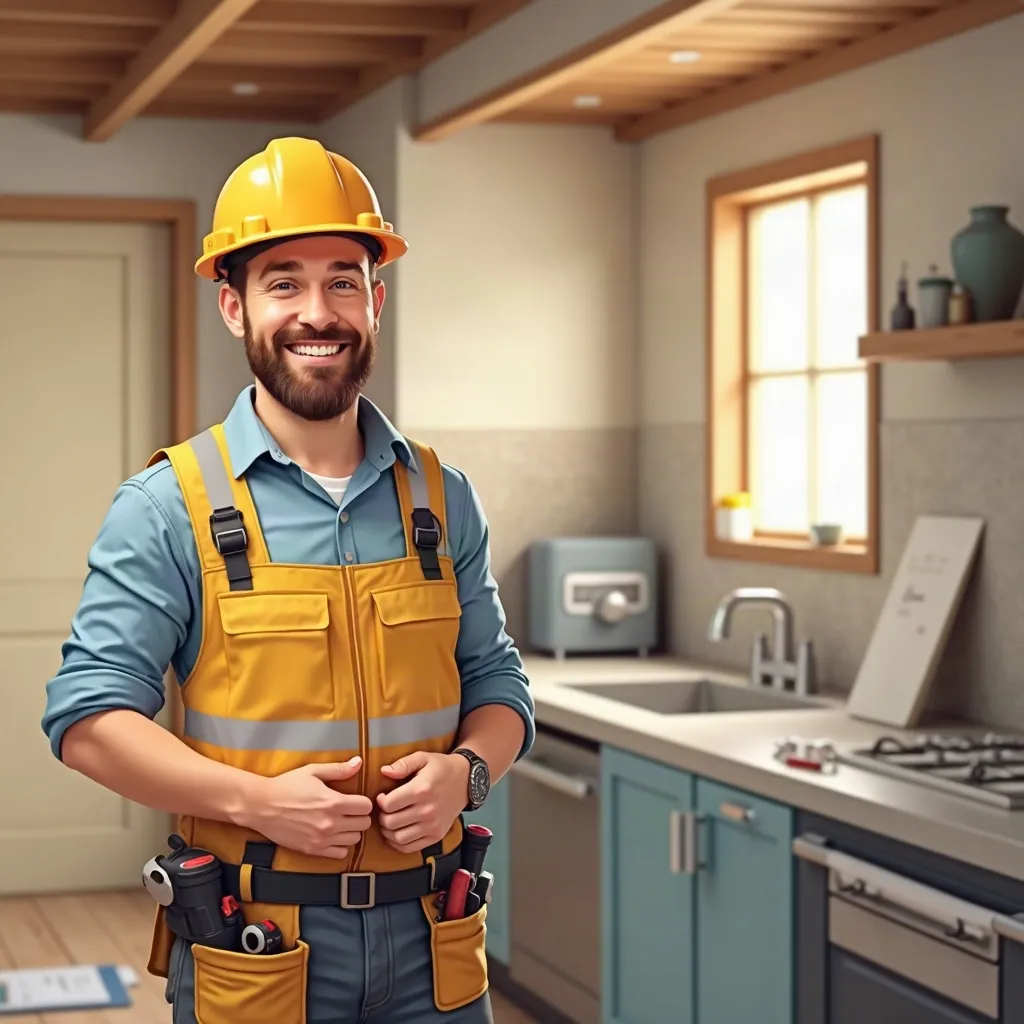
Which Functions Do a General Contractor Accomplish?
A construction coordinator manages the diverse facets of a structural project, ensuring that all operations flow without issue from opening to closing. They serve as the main point of contact, directing communication between clients, subcontractors, and suppliers. This function requires mapping out the construction calendar, coordinating personnel, and upholding adherence with local building codes and regulations.
General contractors are responsible for acquiring required licenses and arranging inspections, which are vital for maintaining safety and quality standards. They also manage budgeting, sourcing materials, and managing on-site activities to prevent any possible setbacks or complications. In addition, they oversee subcontractors, ensuring that each phase of construction aligns with project specifications and timelines. Overall, a general contractor's expertise and organizational skills are crucial for delivering a successful construction project, transforming a client's vision into reality while managing multiple duties and obligations.
Working with a general contractor for house remodeling delivers multiple perks that can significantly boost the efficiency and quality of the project. General contractors offer expertise in overseeing projects, guaranteeing that timelines are met and materials are managed efficiently. Their solid connections with subcontractors can produce better rates and superior workmanship, which ultimately helps homeowners by saving both time and money.
Also, general contractors supervise the intricate details of authorizations and assessments, minimizing potential legal issues. They also furnish a single point of contact, easing communication and coordination among different professionals. This integration mitigates the likelihood of misunderstandings and delays.
Additionally, their background allows them to identify looming difficulties, enabling proactive solutions to keep the project on schedule. By bringing on a general contractor, homeowners can focus on their vision while enjoying peace of mind, assured that a professional is handling every aspect of the renovation.
Clearing Up Misconceptions Regarding Construction Professionals
While many property owners may believe false notions about general contractors, understanding the realities can result in more informed decisions. One common myth is that hiring a general contractor is not required for small projects; nevertheless, their know-how can streamline even small-scale renovations, guaranteeing compliance with local codes. Another widespread belief is that general contractors are merely middlemen, but they frequently have extensive knowledge in various trades, enabling them to manage projects efficiently. Additionally, some clients believe that working with a contractor will significantly inflate costs. In fact, a skilled general contractor can often negotiate better pricing for materials and labor due to solid relationships with vendors and subcontractors. Lastly, many consider that general contractors are unyielding, but dependable contractors value client communication and collaborate closely to address unique needs. Resolved myths can empower homeowners to capitalize on the genuine value of contractors in achieving productive home projects.
Selecting the Right General Contractor?
How can homeowners guarantee they choose the right construction professional for their undertakings? The approach begins with thorough research. Homeowners should obtain suggestions from friends, family, and online reviews to identify qualified contractors. Once a act now list is compiled, verifying qualifications, such as licensing, insurance, and bonding, is vital to verify credibility.
Next, homeowners should request and review portfolios of past projects, concentrating on projects similar in scope. Scheduling meetings allows property owners to gauge compatibility, covering timelines, budgets, and expectations. It's also recommended to obtain multiple quotes for evaluation, offering a better grasp of costs.
Assessing references provides insight into a contractor's reliability and professionalism. Ultimately, relying on your gut feeling is important; an opening discussion can expose a contractor's communication style and approach. By adhering to these guidelines, homeowners can significantly boost their chances of selecting a general contractor who aligns with their requirements and aspirations.
Best Communication Approaches When Working Alongside Your General Contractor
How might homeowners apply approaches to ensure strong dialogue with their general contractor? Initiating direct communication from the beginning is necessary. Homeowners must explicitly state their requirements, project targets, and budget constraints during initial meetings. Ongoing reports can be enabled through planned discussions, ensuring that both parties stay synchronized throughout the project.
Applying written documentation, such as project documentation and emails, strengthens spoken commitments and minimizes misunderstandings. Homeowners should likewise foster open communication by inviting feedback and questions from the contractor, establishing a collaborative environment.
In addition, harnessing technology, like project management apps, can improve exchange of information by supplying a centralized platform for sharing updates, timelines, and changes. Finally, acting considerate and welcoming can enhance camaraderie, allowing it less difficult for the contractor to articulate challenges or suggestions effectively. By applying these strategies, homeowners can build up a productive and forthright bond with their general contractor.
What You Should Know When Your Project Commences?
As the project launches, homeowners can expect a burst of activity on-site. The project manager will organize groups of experienced professionals, such as electricians, plumbers, and carpenters, who will start their work according to the predetermined schedule. Homeowners may notice equipment and supplies being delivered, generating a bustling atmosphere.
Communication stays vital during this phase. The contractor will give progress reports on advancement and address any issues that occur. Homeowners should get ready for potential interruptions, such as noise and restricted access to certain areas of the home.
Safety protocols will be in place to preserve both workers and residents, ensuring a secure context. Additionally, homeowners may be encouraged to maintain flexibility, as unforeseen issues can arise, necessitating adjustments to the original plan. Overall, this initial phase sets the stage for the successful completion of the project, and active engagement is essential.
Fundamental Concerns for Your General Contractor Agreement?
Deciding which questions to pose when wrapping up a general contractor agreement is important for guaranteeing a trouble-free project. Homeowners should ask about the contractor's credentials and coverage to confirm their experience and protection against liabilities. Understanding the project deadlines and goals is significant; therefore, asking about expected completion dates helps set expectations.
It is also crucial to clarify financial agreements, including deposit amounts and payment schedules, to avoid confusion. Property owners should request a detailed breakdown of costs, including supplies and workmanship, to guarantee transparency. Furthermore, addressing the process for handling changes or unexpected problems can prevent conflicts later on.
In conclusion, property owners must research information about subcontractors and their qualifications, as well as the contractor's communication approach throughout the project. By reviewing these points, homeowners can develop a strong relationship with their lead contractor, ultimately achieving a successful construction project.
Popular Inquiries Posed Often
What Methods Do General Contractors Use to Charge for Their Services?
Contractors commonly assess fees by way of flat fees, hourly rates, or a proportion of the overall budget. Their costs may also contain building materials, labor, and overhead, based on the intricacy and breadth of the project.
Can a General Contractor Provide Aid With Permits and Reviews?
Yes, a construction professional can help with obtaining permits and overseeing inspections. They generally handle local codes and ensure compliance, streamlining the process for homeowners while enabling necessary approvals throughout the construction project.
What Requirements Should I Search for in a General Contractor?
When selecting a construction professional, one should evaluate credentials such as licensing, insurance, experience in relevant projects, solid recommendations, and strong communication abilities, guaranteeing they have the necessary expertise to manage the project successfully.
How Much Time Does a Standard Home Restoration Job Need?
A everyday home renovation work can go anywhere from a few weeks to several months, influenced by the extent, complexity, and size of the project, as well as the stock of materials and labor.
What Transpires if My Project Surpasses Cost Allowance?
Should a project exceed the budget, the contractor typically discusses the causes and alternatives with the property owner. Adjustments may involve reducing costs, pursuing more funds, or adjusting the project parameters to conform to budget constraints.